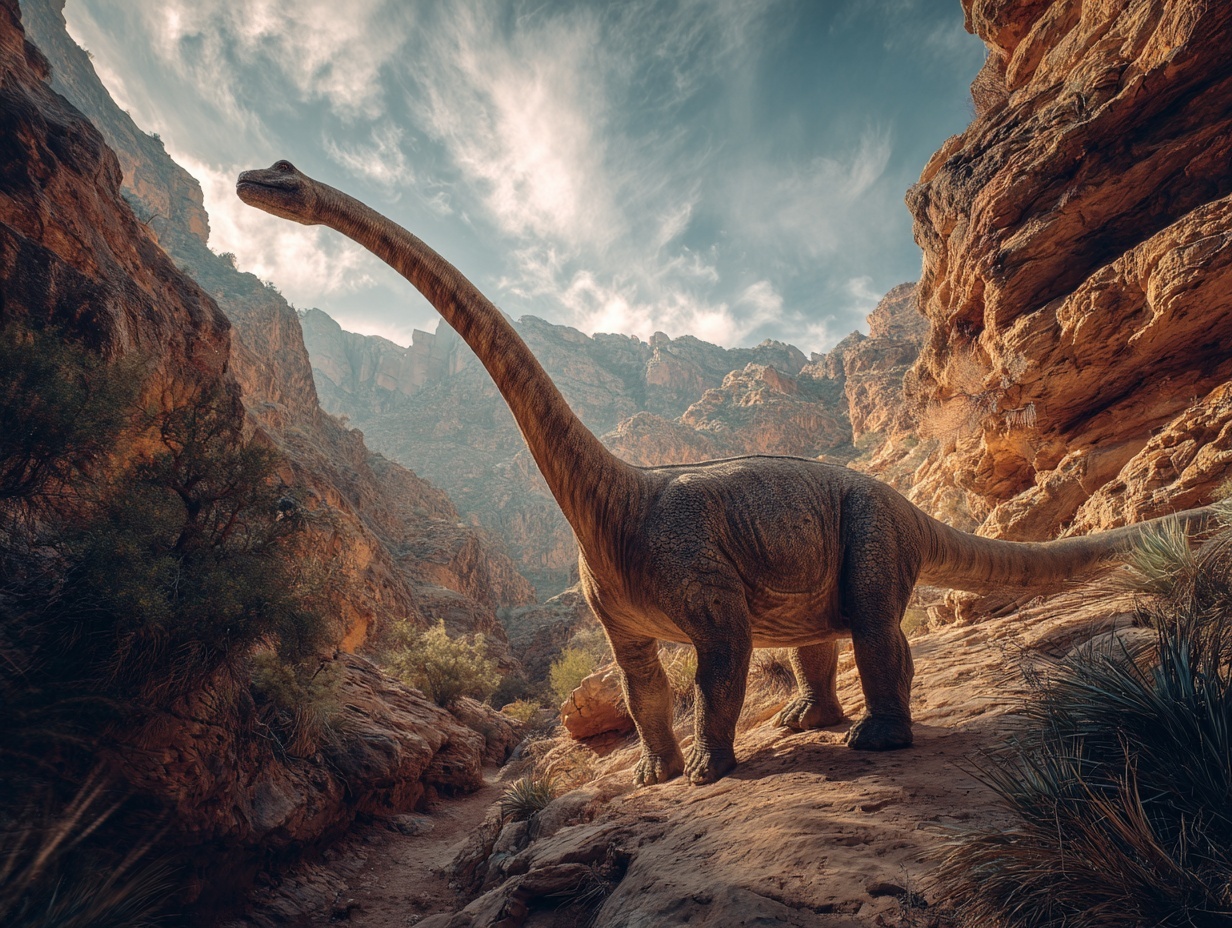
Think you can tell a hadrosaur from a ceratopsian before your coffee cools? Prove it. This fast-paced dinosaur trivia quiz sprints from Triassic trailblazers to Late Cretaceous heavyweights—mixing fossil facts, name meanings, and a few curveballs about birds (yes, they’re dinosaurs). Ready when you are.
(Multiple choice; answer right after each question so you can copy/paste into a quiz app.)
Tip: For clean import into most quiz tools, keep one question per line. I’ve bundled facts that line up with museum/peer-reviewed sources cited above. The “load-bearing” claims (dates, birds-are-dinosaurs, tail-club biomechanics, T. rex bite/pressure, pterosaurs ≠ dinosaurs) are supported in the sources list; most of the rest are standard dino 101.
- The Mesozoic Era spans which three periods?
A) Cambrian, Ordovician, Silurian B) Triassic, Jurassic, Cretaceous C) Paleogene, Neogene, Quaternary D) Devonian, Carboniferous, Permian
Answer: B. - Roughly when did the Mesozoic begin?
A) 541 Ma B) 252 Ma C) 201 Ma D) 66 Ma
Answer: B. stratigraphy.org - When did non-avian dinosaurs go extinct?
A) 200 Ma B) 145 Ma C) 100 Ma D) 66 Ma
Answer: D. University of Notre Dame - Which group includes the ancestors of birds?
A) Sauropodomorphs B) Theropods C) Ceratopsians D) Ankylosaurs
Answer: B. Understanding Evolution - Which of these is not a dinosaur?
A) Triceratops B) Velociraptor C) Pteranodon D) Iguanodon
Answer: C. American Museum of Natural History - “Duck-billed” dinosaurs belong to which group?
A) Ornithopods B) Theropods C) Pachycephalosaurs D) Sauropods
Answer: A. - The “lizard-hipped” vs “bird-hipped” split describes:
A) Pterosaurs vs dinosaurs B) Saurischia vs Ornithischia C) Herbivores vs carnivores D) Land vs sea reptiles
Answer: B. National Park Service - Which period came last in the Mesozoic?
A) Triassic B) Jurassic C) Cretaceous D) Paleogene
Answer: C. stratigraphy.org - Which famous Late Cretaceous predator had bone-crushing tooth pressures?
A) Spinosaurus B) Allosaurus C) Tyrannosaurus rex D) Giganotosaurus
Answer: C. Nature - What likely ended the non-avian dinosaurs?
A) Massive volcanism only B) Asteroid impact only C) A mix of impact + environmental shocks D) Mammals ate all the eggs
Answer: C. University of Notre Dame - Long-necked giants like Brachiosaurus are:
A) Theropods B) Sauropodomorphs C) Ceratopsians D) Ornithopods
Answer: B. - Which group carries a tail-club capable of bone-breaking in large adults?
A) Stegosaurs B) Ankylosaurs C) Ceratopsians D) Ornithopods
Answer: B. PLOS - Feathered non-avian dinosaurs are best documented in which group?
A) Theropods B) Sauropods C) Ankylosaurs D) Ceratopsians
Answer: A. Wikipedia - The Triassic ends around:
A) 252 Ma B) 201 Ma C) 145 Ma D) 66 Ma
Answer: B. stratigraphy.org - The Jurassic begins around:
A) 201 Ma B) 145 Ma C) 100 Ma D) 66 Ma
Answer: A. stratigraphy.org - The Cretaceous ends at:
A) 145 Ma B) 120 Ma C) 80 Ma D) 66 Ma
Answer: D. stratigraphy.org - Parasaurolophus likely used its crest for:
A) Flight B) Storing water C) Sound resonance D) Head-butting
Answer: C. Acoustics - Pterosaurs are:
A) Flying dinosaurs B) Flying reptiles, dinosaur cousins C) Giant birds D) Marine reptiles
Answer: B. American Museum of Natural History - Mosasaurus is:
A) A marine reptile (not a dinosaur) B) A sauropod C) A ceratopsian D) A pterosaur
Answer: A. Encyclopedia Britannica - Which group includes Triceratops?
A) Ornithopods B) Ceratopsians C) Theropods D) Stegosaurs
Answer: B. - The word “dinosaur” literally means:
A) Great lizard B) Terrible lizard C) Ancient monster D) Giant reptile
Answer: B. - Stegosaurus plates may have served:
A) Only armor B) Only solar panels C) Display/thermoregulation mix D) Wing support
Answer: C. - The only dinosaurs alive today are:
A) Crocodiles B) Birds C) Lizards D) None
Answer: B. Understanding Evolution - “Duck-bills” are especially common in the:
A) Triassic B) Jurassic C) Late Cretaceous D) Paleogene
Answer: C. - The K–Pg boundary is dated to about:
A) 100 Ma B) 80 Ma C) 66 Ma D) 50 Ma
Answer: C. University of Notre Dame - T. rex bite force is best estimated around:
A) 800 lb B) 8,000 lb C) 80,000 lb D) 800,000 lb
Answer: B. ScienceDaily - The earliest dinosaurs appear in which period?
A) Triassic B) Jurassic C) Cretaceous D) Paleogene
Answer: A. - Pachycephalosaurus is famous for its:
A) Horn frill B) Dome skull C) Tail club D) Head crest
Answer: B. - Ankylosaur armor is made of:
A) Keratin only B) Inflated skin sacs C) Bony plates (osteoderms) D) Cartilage
Answer: C. - Sauropod necks were supported by:
A) Pure muscle B) Air-sac-lightened bones + ligaments C) Spinal gas bladders D) Hollow keratin rods
Answer: B. - Which group dominated Jurassic herds on land?
A) Sauropods B) Pterosaurs C) Mosasaurs D) Ceratopsians
Answer: A. - Archaeopteryx is from which period?
A) Triassic B) Jurassic C) Cretaceous D) Paleogene
Answer: B. - Which group is most closely related to birds?
A) Ceratopsians B) Theropods C) Stegosaurs D) Ankylosaurs
Answer: B. Understanding Evolution - The term “ornithischian” translates to:
A) Bird-hipped B) Lizard-hipped C) Fish-hipped D) Plate-hipped
Answer: A. National Park Service - The term “saurischian” translates to:
A) Bird-hipped B) Lizard-hipped C) Shell-hipped D) Dome-hipped
Answer: B. National Park Service - The Chicxulub crater is in:
A) Arizona B) Yucatán, Mexico C) Patagonia D) Gobi Desert
Answer: B. University of Notre Dame - Titanosaurs are:
A) Giant ceratopsians B) Giant sauropods C) Giant theropods D) Giant stegosaurs
Answer: B. - The Triassic–Jurassic transition involved:
A) No change B) A mass extinction that dinosaurs survived C) Mammal extinction D) All marine life extinction
Answer: B. National Geographic - Parasaurolophus calls were likely:
A) High squeaks B) Low, resonant tones C) Ultrasound only D) Purely silent
Answer: B. Acoustics - Quetzalcoatlus is a:
A) Giant bird B) Giant pterosaur C) Giant ceratopsian D) Giant marine reptile
Answer: B. American Museum of Natural History - Therizinosaurus is famous for:
A) Horn frill B) 1-meter claws C) Dome skull D) Sail back
Answer: B. National Geographic - “Thagomizer” refers to:
A) Ceratopsian frill B) Stegosaur tail spikes C) Ankylosaur club D) Hadrosaur crest
Answer: B. - The K–Pg boundary marks:
A) Start of Mesozoic B) End of Jurassic C) End of Cretaceous D) Start of Triassic
Answer: C. stratigraphy.org - Which herbivores had “dental batteries”?
A) Ceratopsians & hadrosaurs B) Theropods C) Pterosaurs D) Ichthyosaurs
Answer: A. - Velociraptor fossils show:
A) Flight feathers B) No feathers C) Fins D) Shells
Answer: A. WIRED - Marine reptiles that looked like dolphins:
A) Ichthyosaurs B) Plesiosaurs C) Mosasaurs D) Thalattosaurs
Answer: A. - Long-necked marine reptiles:
A) Mosasaurs B) Plesiosaurs C) Ichthyosaurs D) Nothosaurs
Answer: B. - The biggest Late Cretaceous land herbivores in North America included:
A) Ceratopsians & hadrosaurs B) Stegosaurs C) Sauropods D) Pterosaurs
Answer: A. - The Morrison Formation (USA) is famous for:
A) Pterosaurs B) Late Jurassic sauropods & theropods C) Early Triassic mammals D) Cretaceous ceratopsians
Answer: B. - Which lived only in water?
A) T. rex B) Mosasaurus C) Ankylosaurus D) Triceratops
Answer: B. Encyclopedia Britannica - Which dinosaur had the iconic three horns?
A) Stegosaurus B) Triceratops C) Iguanodon D) Baryonyx
Answer: B. - Which group had tail spikes not clubs?
A) Ankylosaurs B) Stegosaurs C) Ceratopsians D) Theropods
Answer: B. - Long-clawed, pot-bellied, feathered oddball:
A) Therizinosaurus B) Giganotosaurus C) Pachycephalosaurus D) Diplodocus
Answer: A. National Geographic - “Bone-headed” domes belong to:
A) Pachycephalosaurs B) Ceratopsians C) Ornithopods D) Ankylosaurs
Answer: A. - “Duck-bill” with a tube-like crest:
A) Edmontosaurus B) Parasaurolophus C) Iguanodon D) Corythosaurus
Answer: B. Acoustics - The non-avian dinosaur extinction occurred in which period?
A) Triassic B) Jurassic C) Cretaceous D) Paleogene
Answer: C. stratigraphy.org - The only dinosaur lineage still alive:
A) Crocs B) Lizards C) Birds D) None
Answer: C. Understanding Evolution - Clubbed tails are typical of:
A) Ankylosaurs B) Ceratopsians C) Sauropods D) Theropods
Answer: A. PLOS - The Jurassic lasted from ~201 to:
A) 145 Ma B) 100 Ma C) 66 Ma D) 50 Ma
Answer: A. stratigraphy.org - The Triassic started around:
A) 300 Ma B) 252 Ma C) 200 Ma D) 150 Ma
Answer: B. stratigraphy.org - Sauropod teeth were generally:
A) Steak knives B) Peg-like/leaf-stripping C) Molar plates D) Flat grinders
Answer: B. - Hadrosaur crests likely aided:
A) Deep diving B) Echolocation C) Social signaling/sound D) Poison storage
Answer: C. Acoustics - T. rex lived in:
A) Triassic B) Jurassic C) Late Cretaceous D) Paleogene
Answer: C. - Stegosaurus lived in:
A) Late Cretaceous B) Early Cretaceous C) Jurassic D) Paleogene
Answer: C. - Ceratopsians peak in:
A) Triassic B) Jurassic C) Late Cretaceous D) Paleogene
Answer: C. - “Avian dinosaurs” means:
A) Pterosaurs B) Birds C) Marine reptiles D) Crocodiles
Answer: B. Understanding Evolution - Bone-crushing behavior in T. rex is termed:
A) Osteopathy B) Osteophagy C) Osteolysis D) Osteometry
Answer: B. Nature - Which group is most likely to have elaborate horns and frills?
A) Ornithopods B) Ceratopsians C) Theropods D) Sauropods
Answer: B. - The asteroid impact site is called:
A) Hell Creek B) Morrison C) Chicxulub D) Solnhofen
Answer: C. University of Notre Dame - Birds evolved from:
A) Early ceratopsians B) Small theropods C) Early ankylosaurs D) Pterosaurs
Answer: B. Understanding Evolution - Marine reptile related to lizards & snakes:
A) Ichthyosaur B) Mosasaur C) Plesiosaur D) Nothosaur
Answer: B. Encyclopedia Britannica - Early feather impressions come from:
A) Sauropods B) Theropods C) Ceratopsians D) Ankylosaurs
Answer: B. Wikipedia - The Late Cretaceous of N. America famously features:
A) Diplodocus vs Allosaurus B) T. rex vs Triceratops C) Plateosaurus vs Coelophysis D) Stegosaurus vs Brachiosaurus
Answer: B. - The Triassic world was mostly:
A) A single supercontinent, Pangaea B) All modern continents C) Entirely ocean D) Frozen
Answer: A. - Longest manual claws among land animals belong to:
A) Deinonychus B) Therizinosaurus C) Baryonyx D) Iguanodon
Answer: B. National Geographic - The K–Pg extinction date (rounded) is:
A) 252 Ma B) 201 Ma C) 145 Ma D) 66 Ma
Answer: D. University of Notre Dame - The “Age of Dinosaurs” nickname belongs to:
A) Paleozoic B) Mesozoic C) Cenozoic D) Proterozoic
Answer: B. - Corythosaurus belongs to which group?
A) Ceratopsians B) Ankylosaurs C) Hadrosaurids D) Theropods
Answer: C. - Which is famous for plate backs?
A) Stegosaurs B) Ankylosaurs C) Ceratopsians D) Theropods
Answer: A. - Which is a dome-headed dino?
A) Styracosaurus B) Pachycephalosaurus C) Parasaurolophus D) Camarasaurus
Answer: B. - The toothless, beaked flyers of the Mesozoic were:
A) Birds only B) Pterosaurs like Pteranodon (not dinosaurs) C) Ceratopsians D) None of the above
Answer: B. American Museum of Natural History - Diplodocus lived in the:
A) Triassic B) Jurassic C) Cretaceous D) Paleogene
Answer: B. - Iguanodon is most associated with the:
A) Triassic B) Early Cretaceous C) Late Cretaceous D) Paleogene
Answer: B. - Which lineage survives today?
A) Sauropods B) Ceratopsians C) Theropods (as birds) D) Stegosaurs
Answer: C. Understanding Evolution - Spinosaurids are notable for:
A) Horn frills B) Tail clubs C) Crocodile-like skulls & fishing D) Dome heads
Answer: C. - The “Hell Creek Formation” is famous for:
A) Early Triassic reptiles B) Late Cretaceous dinosaurs including T. rex & Triceratops C) Jurassic sauropods D) Pterosaur fossils only
Answer: B. - The Solnhofen limestone (Germany) preserved:
A) Archaeopteryx with feathers B) Ankylosaur clubs C) Ceratopsian frills D) Mosasaur nurseries
Answer: A. - Which saurischian group is herbivorous?
A) Theropods B) Sauropodomorphs C) Ceratopsians D) Ornithopods
Answer: B. - “Marginocephalia” literally references:
A) Plate backs B) Dome heads C) Frill/“margin” heads D) Beaks
Answer: C. - Evidence for the dinosaur-killing impact includes:
A) Iridium-rich clay layer + global ejecta + crater match
B) Dino footprints running away
C) Mammoth bones in the same layer
D) None of the above
Answer: A. University of Notre Dame - The Morrison Formation age is mostly:
A) Triassic B) Late Jurassic C) Early Cretaceous D) Paleogene
Answer: B. - The most common hadrosaur dental feature:
A) Single blade tooth B) Shark-like rows C) Grinding dental batteries D) No teeth
Answer: C. - Theropods typically walked on:
A) Four toes B) Two legs (bipedal) C) Flippers D) Wings
Answer: B. - Which group includes horned dinosaurs?
A) Ceratopsians B) Theropods C) Ornithopods D) Ankylosaurs
Answer: A. - The Triassic began after which mass extinction?
A) K–Pg B) End-Permian (“Great Dying”) C) End-Devonian D) End-Ordovician
Answer: B. - Titanosaurs thrived mainly in the:
A) Triassic B) Jurassic C) Cretaceous D) Paleogene
Answer: C. - Jurassic stegosaur tail spikes nickname:
A) Clubomizer B) Thagomizer C) Hornomizer D) Spikomizer
Answer: B. - T. rex tooth pressure helped it:
A) Filter plankton B) Pulverize bone (extreme osteophagy) C) Chew cud D) Bite underwater
Answer: B. Nature - Pterosaurs evolved:
A) Gliding only B) True powered flight (independent of birds) C) Helicopter rotors D) None of the above
Answer: B. American Museum of Natural History - The only accurate way to say “dinosaurs are gone” is:
A) True—none remain B) False—birds are dinosaurs C) True—birds are reptiles, not dinosaurs D) Unknowable
Answer: B. Understanding Evolution
If you want another rabbit hole after this one, head back to the quiz and trivia hub and then move into the explainer pages from there. That keeps the trivia lane connected instead of isolated.